Addiction: A Philosophical and Neuroscientific View
Dr. Eleanor Vance ·
Listen to this article~5 min

Philosopher and neurobiologist Owen Flanagan examines addiction through philosophy, psychology, neuroscience, and lived experience. He discusses responsibility, recovery, social influences, and the challenges of confronting addiction.
Addiction is a tough topic. It touches lives in ways that are messy, painful, and often misunderstood. We tend to see it as a failure of willpower or a simple chemical imbalance. But it's so much more than that.
Dr. Owen Flanagan, a philosopher and neurobiologist, recently sat down with Jack Russell Weinstein to dig into addiction from multiple angles. They looked at philosophy, psychology, neuroscience, and real-life stories. And what they found is that addiction isn't just a medical problem. It's a human one.
### The Role of Responsibility
One of the biggest questions in addiction is about responsibility. Are people with addiction fully responsible for their actions? Flanagan argues it's not that simple. Our brains are shaped by genetics, environment, and past experiences. But that doesn't mean we're off the hook.
Responsibility is a spectrum. You can't ignore the biological factors, but you also can't ignore personal agency. Think of it like this: a person with a broken leg isn't responsible for not walking, but they're still responsible for choosing to get treatment. The same goes for addiction. It's about finding that balance between compassion and accountability.

### Recovery Is Not a Straight Line
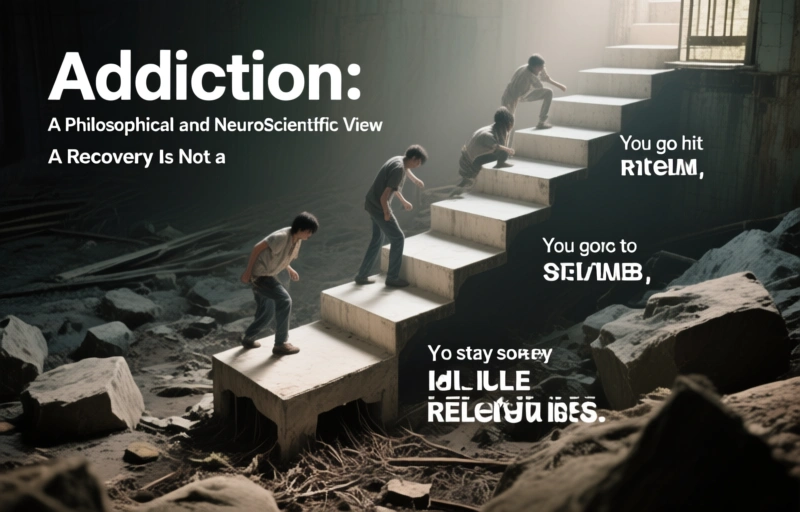
Recovery is often portrayed as a clean, step-by-step process. You hit rock bottom, you go to rehab, you stay sober. But real recovery is messy. It's full of relapses, setbacks, and small victories that don't make the news.
Flanagan emphasizes that recovery is about rebuilding a life. It's not just about stopping a behavior. It's about finding new routines, new relationships, and new ways to cope. That takes time. And it takes support from people who understand the struggle.
### Social Influences on Addiction
We can't talk about addiction without talking about society. Our culture plays a huge role in shaping who gets addicted and who doesn't. Stress, poverty, trauma, and isolation all increase the risk. On the flip side, strong communities and healthy environments can protect against it.
Flanagan points out that addiction is often a response to pain. When people feel disconnected or hopeless, they're more likely to turn to substances or behaviors that numb the hurt. So if we want to reduce addiction, we need to address the root causes. That means better mental health care, stronger social safety nets, and more meaningful connections.
### The Neuroscience Behind Addiction
From a brain perspective, addiction hijacks the reward system. Dopamine, the feel-good chemical, gets released in response to the addictive substance or behavior. Over time, the brain adapts. It needs more to get the same effect. And it starts to crave the thing, even when the consequences are bad.
But here's the thing: the brain is also capable of change. Neuroplasticity means we can rewire our brains with new habits and experiences. Recovery isn't just about willpower. It's about creating new neural pathways that support healthier choices.
### Practical Takeaways
So what does all this mean for someone struggling with addiction or supporting a loved one? Here are a few key points:
- **Addiction is not a moral failing.** It's a complex condition that involves biology, psychology, and environment.
- **Recovery is possible.** It takes time, support, and a willingness to change.
- **Small steps matter.** You don't have to fix everything at once. Focus on one healthy choice at a time.
- **Community is crucial.** Isolation makes addiction worse. Connection helps healing.
- **Be kind to yourself.** Shame and guilt can keep you stuck. Self-compassion opens the door to change.
> "Addiction is not a choice. But recovery is a choice that can be made, one day at a time." - Dr. Owen Flanagan
### A Final Thought
We often think of addiction as a problem to be solved. But maybe it's more like a question we have to live with. A question about what it means to be human, to struggle, and to find our way back to ourselves. Flanagan's work reminds us that we're all in this together. And that's a good place to start.
If you're dealing with addiction, know that you're not alone. Reach out. Ask for help. And remember that every day is a new chance to move forward.