Addiction Through Philosophy and Science
Dr. Eleanor Vance ·
Listen to this article~4 min
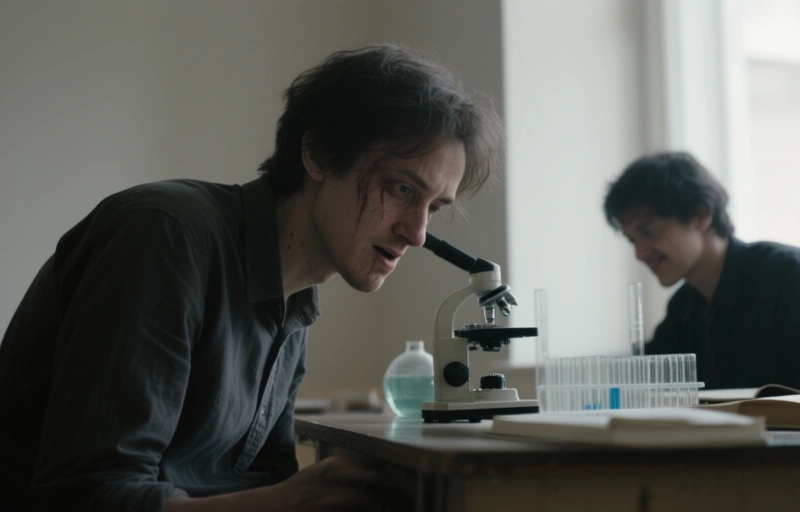
Philosopher and neurobiologist Owen Flanagan examines addiction through philosophy, psychology, neuroscience, and lived experience, discussing responsibility, recovery, social influences, and the challenges of confronting addiction.
Addiction is a topic that touches many lives, yet it's often misunderstood. In a recent conversation, philosopher and neurobiologist Owen Flanagan sat down with Jack Russell Weinstein to explore addiction from multiple angles. They looked at it through the lenses of philosophy, psychology, neuroscience, and lived experience. This isn't just about the science of the brain or the moral failings of individuals. It's about the whole person, and how we can better understand and support recovery.
### What Is Responsibility in Addiction?
One of the big questions they tackled is responsibility. When someone is addicted, how much control do they really have? It's easy to say, "Just stop," but that ignores the powerful grip addiction can have. Owen Flanagan argues that we need to think about responsibility in a more nuanced way. It's not about blaming someone for their addiction. Instead, it's about helping them find the strength to make changes, even when their brain is working against them. This means shifting from judgment to support.
### The Role of Social Influences
Addiction doesn't happen in a vacuum. Our environment plays a huge role. Think about it: if you're surrounded by people who drink heavily, you're more likely to drink. If your neighborhood has few opportunities, the appeal of quick relief grows. Owen and Jack discuss how social factors like poverty, trauma, and isolation can set the stage for addiction. Recovery, then, isn't just about the individual. It's about changing the conditions that make addiction more likely.
### Neuroscience and the Brain
Here's where things get interesting. Owen Flanagan brings in neuroscience to explain what happens in the brain during addiction. It's not a simple choice. Addiction changes your brain's reward system, making it harder to resist. But here's the hope: the brain can also heal. With time and support, neural pathways can rewire. This isn't a quick fix, but it shows that recovery is possible. It's like retraining a muscle, but in your head.
### Recovery as a Journey
Recovery isn't a straight line. It's messy and sometimes slow. Owen emphasizes that we need to be patient with ourselves and others. There's no one-size-fits-all approach. Some people find help in 12-step programs. Others prefer therapy or medication. The key is to keep trying, even after setbacks. As Owen puts it, "We're all works in progress." This perspective can relieve some of the shame that often comes with addiction.
### Practical Takeaways for Professionals
For those working in addiction support, here are a few key points from this conversation:
- Focus on understanding, not judging. People with addiction need compassion, not criticism.
- Address social factors whenever possible. A stable home or a supportive community can make a huge difference.
- Use a mix of approaches. Combine neuroscience insights with talk therapy and practical support.
- Celebrate small wins. Every step forward counts, even if it's just one day without using.
### Final Thoughts
This conversation reminds us that addiction is complex. It's not just a medical problem or a moral failing. It's a human challenge that touches on our deepest struggles and hopes. By looking at it through philosophy, science, and real stories, we can build a more compassionate and effective response. If you're facing addiction or supporting someone who is, remember: you're not alone, and change is possible.