What's Truly Worth Saving? A Guide to Valuing Your Legacy
Dr. Eleanor Vance ·
Listen to this article~3 min
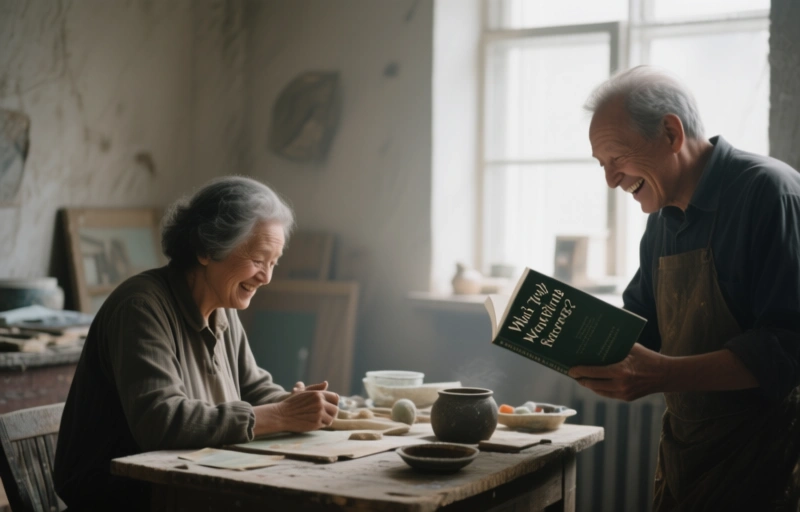
How do we decide what's worth keeping for the future? Explore the philosophy behind saving objects, from timeless heirlooms to emotional burdens, and learn to value your legacy.
How do we place a value on the things we keep and pass down? It's a question that hits home for anyone who's ever sorted through a parent's attic or wondered about their own collection. Objects can be timeless and multi-generational, connecting us to stories bigger than ourselves. Or, let's be honest, they can become a burden to bear—clutter with an emotional price tag.
I was thinking about a conversation between Jack Russell Weinstein and Wellesley philosophy professor Erich Hatala Matthes. They dug into this very question: why should we save for posterity? It's not just about stuff. It's about meaning.
### The Weight and The Worth
We've all felt it. That box of old letters, the chipped teacup from a grandmother, the tools from a workshop long closed. They take up space. Sometimes, they take up more emotional energy than physical room. But within them lies a potential value that goes far beyond money.
It's the story they carry. The hands that held them. The moments they witnessed. That's where the real worth is found. Saving becomes an act of preserving a narrative, a piece of a personal history that might otherwise fade away.
### Asking the Right Questions
So how do you decide? Start by asking yourself a few simple things when you look at an object:
- **Does it tell a story?** Whose story is it? Is it one worth remembering and passing on?
- **What does it connect me to?** A person? A place? A feeling or a phase of life?
- **Is it a burden of guilt or a gift of memory?** There's a big difference. One weighs you down; the other lifts you up.
Sometimes, the most valuable thing isn't the object itself, but the conversation it starts. A simple item can be a doorway to sharing family history, values, and lessons learned the hard way.
### Saving for a Future You Can't See
Professor Matthes points us toward the idea of 'posterity'—a future we won't personally inhabit. Why save for people we may never meet? Because we're part of a chain. We receive, we steward, and we pass along.
It's an act of faith, really. Faith that the stories and values embedded in these objects will matter to someone, someday. That a future generation might find comfort, identity, or simply a good laugh in what we've chosen to keep.
Not everything needs to be saved, of course. That's the other side of the coin. Discernment is key. But when we choose wisely, we're not just storing artifacts. We're preserving touchstones of human experience.
### Making Your Peace with Possessions
Here's the heart of it: valuing what we save is about understanding our own role in a longer story. It's recognizing that some things are temporary, and some things have the spark of timelessness.
Let go of what feels like obligation. Hold onto what feels like love. Pass down the items that whisper the truths you want to echo into the future. In the end, we're not just saving objects. We're saving the pieces of ourselves we believe are worth remembering.