What's Truly Worth Saving? Valuing Objects Across Generations
Dr. Eleanor Vance ·
Listen to this article~4 min
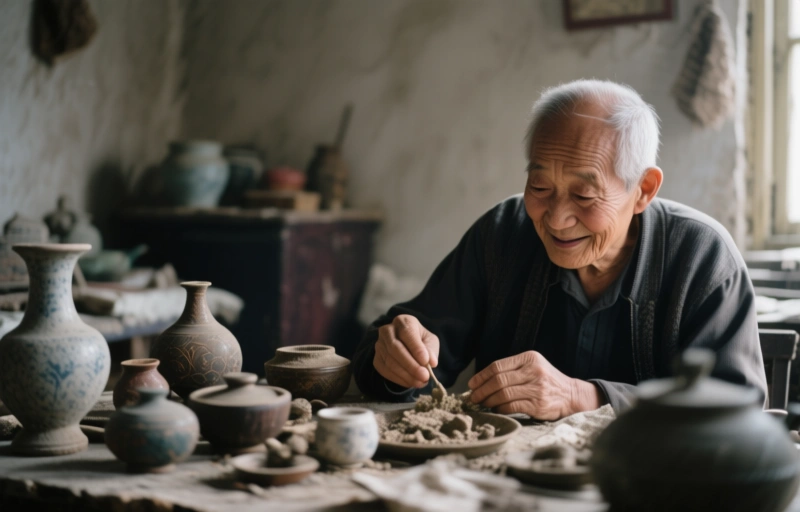
How do we decide what objects to keep for future generations? Explore the balance between cherished heirlooms and burdensome clutter, and discover what's truly worth saving for posterity.
You know that feeling when you're cleaning out an attic or helping a parent downsize? You hold something in your hands—a chipped teacup, a faded photograph, a heavy piece of furniture—and you have to decide. Keep it? Pass it on? Or let it go?
How do we actually place a value on the things we keep and pass down? It's a question that sits at the crossroads of memory, utility, and love. Some objects feel timeless, connecting us to stories and people we cherish. Others... well, they just become a burden we carry from one house to the next.
### The Weight and The Worth
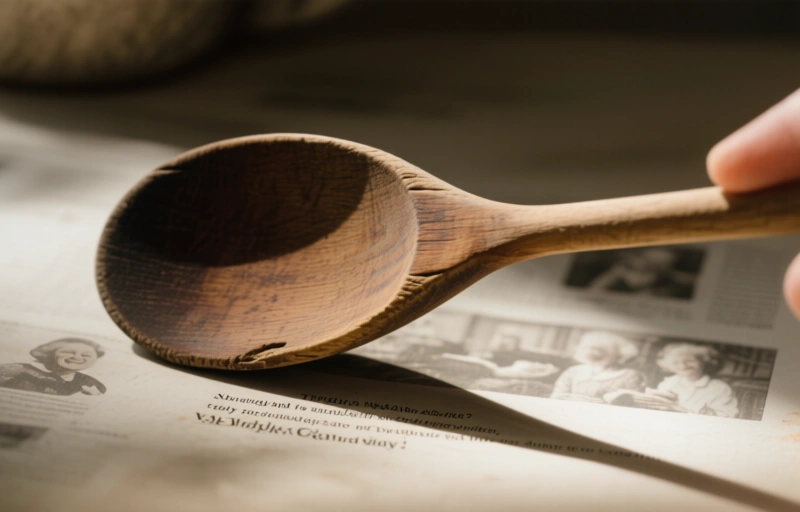
It's not just about the object itself, is it? It's about the story it holds. That old wooden spoon isn't just a kitchen tool; it's the taste of your grandmother's Sunday gravy. The scratched watch isn't just telling time; it's marking the moments your father worked to provide.
But here's the tricky part. When does a cherished heirloom stop being a treasure and start being clutter? When does the duty to preserve become a weight that holds us back? Philosophers like Erich Hatala Matthes have spent careers pondering this very tension. Why *should* we save things for posterity? What obligation do we have to the future?
### Making Conscious Choices
I think we get it wrong when we save things out of pure guilt or obligation. "Great-Aunt Mildred would be so disappointed if we got rid of this vase," we whisper, even though no one has liked the vase for three generations. The value gets lost in the transaction.
Instead, what if we asked better questions?
- What story does this object tell that's worth remembering?
- Does keeping it honor someone's memory, or just fulfill a perceived duty?
- If this item could talk, what would it want for its next chapter?
Sometimes, the most respectful thing we can do is let something go. To make space—both physical and emotional—for new stories to begin.
As one wise person noted, "We are not curators of a museum of the past, but gardeners planting seeds for the future." Our choices about what to save shape the landscape of memory for those who come after us.
### Practical Steps for Deciding
So how do we move from philosophical pondering to practical action? Start small. Pick one drawer, one shelf. Hold each item and check in with yourself. Does it spark joy? Does it serve a purpose? Does it connect you to a story you want to preserve?
Remember:
- Photograph items before letting them go if the memory matters more than the object
- Pass meaningful items directly to people who will appreciate them now
- Consider whether the story can be preserved in a simpler way (a written note, a digital recording)
- Recognize that sometimes, the lesson is in the letting go
### The Legacy We Choose
In the end, we're not just deciding about stuff. We're deciding about values. We're writing the next chapter of our family story with every item we keep, donate, or release. The things worth saving are those that continue to teach, to comfort, to inspire—long after we're gone.
They're the objects that don't just gather dust, but gather meaning. That don't just take up space, but create connection. So next time you're holding something from the past, ask yourself: is this a burden to bear, or a bridge to build? The answer might surprise you.